Confidence for a Skinny Body: Style, Presence & Scripts
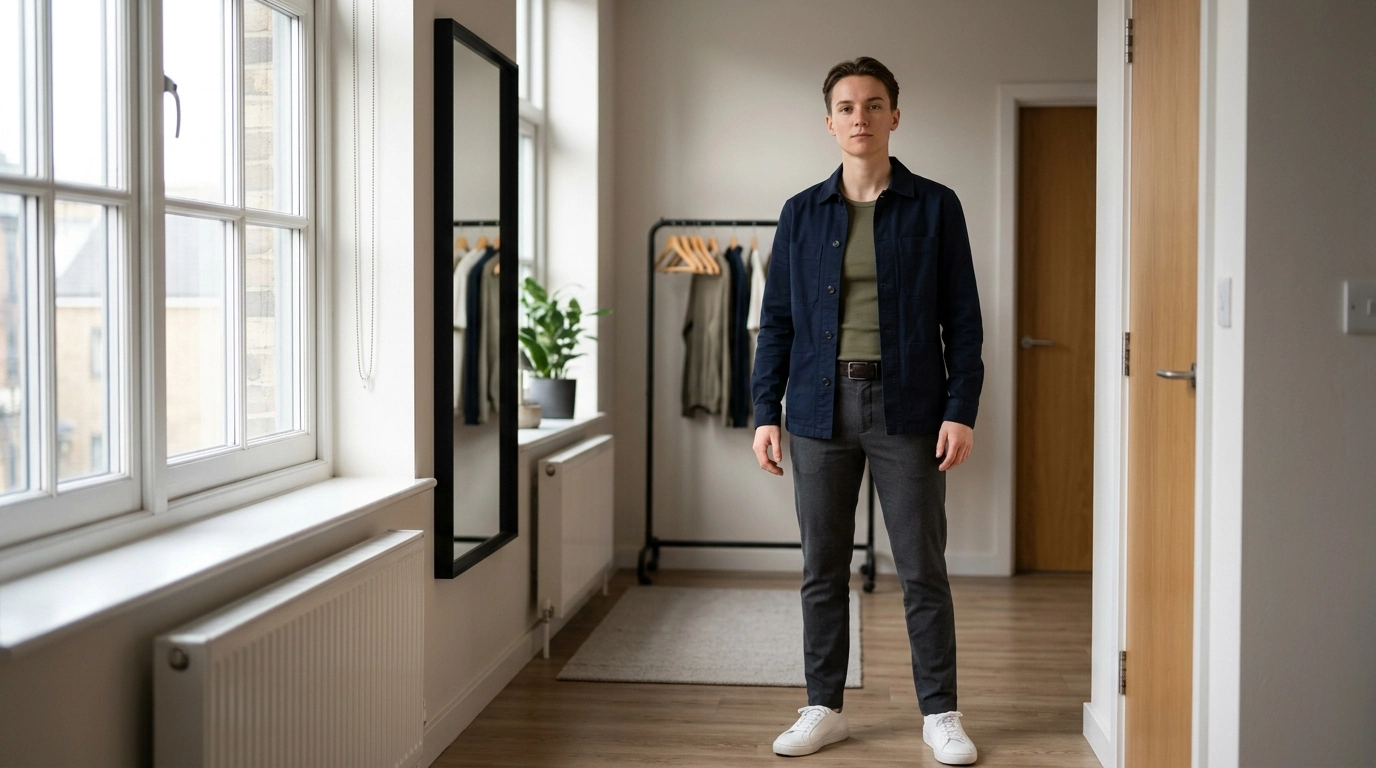
What Confidence Looks Like on a Lean Frame
Confidence on a skinny body isn’t a “before and after” story. It’s the moment-to-moment way you carry yourself—posture, eye contact, your voice pace, and the boundaries you set—regardless of your measurements. When those signals are steady, your frame reads as intentional.
A lean build can come across as youthful, athletic, refined, or delicate depending on grooming, styling, and energy. That’s good news: you can guide the impression without trying to become someone else. The most helpful shift is moving from “I need to change my body” to “I need to change how I show up.” That means repeatable cues, routines, and fit choices that build presence in real life, in photos, and in conversation.
Mindset Reset: From Self-Protection to Self-Respect
Many people with a skinny body develop a quiet self-protection habit: comparing themselves to others, checking mirrors and photos for “proof,” anticipating comments, or shrinking in groups. Naming that loop matters, because it turns a vague fear into something you can interrupt.
When someone says “you’re too skinny,” treat it as data about their filter—not a verdict on your worth. Some people talk about bodies because it’s their default social script, not because they’re accurately assessing you. You can respect yourself without debating them.
A strong confidence foundation is a neutral body narrative. Instead of obsessing over how your body looks, anchor in what your body does (energy, mobility, endurance) and who you are (values, skills, character). Confidence grows when your identity is wider than appearance.
To make change practical, use micro-commitments: one confident behavior per day. Small reps—direct eye contact, a clearer “no,” wearing a fitted top—stack faster than waiting for motivation.
Simple outfit formulas that create a confident silhouette
| Goal | Formula | Why it works |
|---|---|---|
| Look more grounded | Straight-leg pants + fitted tee + structured jacket | Creates clean lines and adds shape at the shoulders. |
| Look polished fast | Monochrome base + one textured layer (knit/denim) | Lengthens the body while adding depth and presence. |
| Look social-ready | Well-fitted top + darker bottoms + statement shoe | Draws attention intentionally and feels put-together. |
| Look relaxed but intentional | Loose shirt + tapered pants + belt | Keeps comfort while defining the waist/hips. |
| Look camera-friendly | Mid-tone top + contrast layer + clean neckline | Improves visual separation and face framing in photos. |
Body Language That Adds Presence (Without Trying to Look Bigger)
Presence isn’t about taking up more physical space—it’s about being unmistakably “there.” A few cues make a lean frame look decisive and calm.
- Posture: Use “stacked” alignment—ears over shoulders, ribs over hips, feet grounded. Think tall spine, soft shoulders.
- Hands: Reduce fidgeting. Use open gestures at chest level to signal ease and authority.
- Walking: Slow down slightly. Steady steps and shoulders down remove “rush energy” that can read as nervousness.
- Voice: End sentences downward (avoid trailing up), pause before responding, and speak about 10% slower for clarity.
If you want an evidence-based perspective on body image and self-perception, the American Psychological Association’s overview is a helpful starting point: https://www.apa.org/topics/body-image.
Style Principles for a Skinny Body: Fit, Structure, and Proportion
Confidence-friendly style for a lean build is less about “adding bulk” and more about building clean structure. The goal is a silhouette that looks deliberate, not hidden.
- Prioritize fit at shoulders and waist: A $20 tee that fits your shoulders can look sharper than an expensive top that droops. Tailoring often beats brand names.
- Add structure: Blazers, overshirts, denim jackets, and crisp collars create a stronger outline—especially in photos.
- Balance proportions: Slim pants pair well with a slightly structured top. Looser pants look best when the top is more defined (tucked, cropped, or belted).
- Use texture and layers: Knits, denim, twill, and layered pieces add visual depth without looking bulky or costume-like.
- Anchor with footwear and accessories: Chunkier sneakers or boots, belts, watches, and a structured bag can “ground” a lean frame.
Social Presence: Handling Comments, Boundaries, and Respect
Body comments tend to land harder when you don’t have a plan. Preparing two scripts—one light, one firm—removes the scramble and keeps your tone calm.
Photos, Mirrors, and Online Confidence
For overall health guidance that stays away from appearance obsession, the CDC’s healthy weight resources can support a balanced perspective: https://www.cdc.gov/healthyweight/index.html.
A 14-Day Confidence Practice Plan
Digital Guides to Support Your Confidence Routine
- Confident in Your Frame: Thriving in a Skinny Body – Digital Guide for Mindset, Style & Social Presence (scripts, outfit formulas, and repeatable confidence habits)
- Own Your Space: Confidence for Solo Life – A Practical Guide to Thrive on Your Own (practical confidence skills that carry into social settings)
- Gentle Stretches With Yoga: A Beginner-Friendly Digital Guide for Flexibility (body-friendly movement to support posture, breathing, and calm presence)
FAQ
How can someone be confident with a skinny body when people comment on it?
Keep two responses ready: a light redirect (“I’m doing well—what’s new with you?”) and a firm boundary (“I’m not discussing my body.”). Deliver it calmly, change the subject, and repeat once if needed—then disengage.
What clothes make a skinny body look more confident without hiding it?
Prioritize shoulder and waist fit, add structure (jackets, crisp collars), and balance proportions (slim bottom + structured top or loose bottom + defined top). Texture and layers add depth, while chunkier shoes and a belt or watch help anchor the look.
How do you stop feeling small in group settings?
Use presence tactics that don’t depend on size: plant your feet, slow your pace, and speak earlier in the conversation. Prepare one point to contribute, use people’s names, and keep eye contact through the end of your sentences.











Leave a comment